
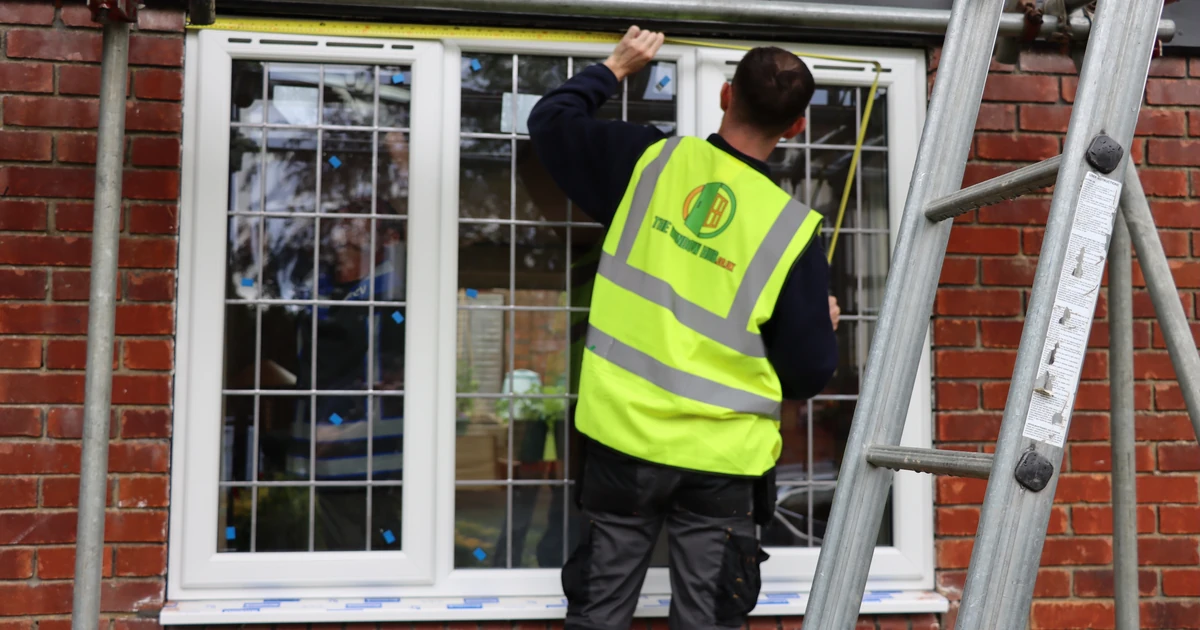
As window companies compete for attention, Dave Mecham, Managing Director of FENSA, says asking the right questions can help consumers choose the right product and installer for them, amid a barrage of information and advice.
For homeowners looking to replace their windows and doors, a dip into the internet will bring up thousands of companies, products and opinions.
With a wealth of information available that can be contradictory and at times, overwhelming, FENSA’s aim is to guide consumers to make an informed decision, helping them to select the best product for them, and the best installer to fit it.
Finding the right installer is a vital part of the process and asking the right questions is key to achieving this.
Is the installer FENSA registered?
First and foremost, homeowners should establish whether the company they are considering is FENSA registered.
Possessing specialist skill sets that general builders, handymen and DIY enthusiasts do not have, FENSA registered installers can install windows, doors and associated products competently, paying attention to the relevant technical considerations.
Bay windows, for example, often take on a structural element within the houses they feature in, requiring experienced people with the right know-how to take them out and replace them successfully.
By ensuring their chosen installer is FENSA registered, consumers can proceed with confidence that the installation team will be up to the job.
What products will be installed?
Homeowners should ask exactly which windows, doors or other products are being proposed and do some independent research before making a decision.
Consumers should consider whether the products are appropriate for the property and meet the required performance and regulatory standards.
A reputable installer should be able to explain what they are recommending, why it is suitable and what benefits it offers.
Does the installer have the right insurance and guarantees?
Before proceeding, consumers should check that the installer is a legitimate business with appropriate insurance cover.
Make sure there is public liability provision with insurance-backed guarantees (IBGs) in place to protect you if the installer subsequently ceases trading.
All FENSA installers offer IBGs for added peace of mind.
What does the contract cover?
A written contract should clearly set out what is being supplied and installed, the price, payment terms and other responsibilities.
Consumers should take the time to read the agreement and make sure they understand what they are committing to, before work begins. At FESA, we would advise going through the contract with the installer to iron out any queries and ensure the contract is signed by the relevant parties.
How much is the deposit?
Deposits also warrant careful consideration and some caution.
Paying a product deposit by credit card is wise, as this can provide Section 75 protection if any problems should arise.
Has the property been properly surveyed?
The survey is another critical stage of the process. Homeowners should make sure they are comfortable with the survey and check that the details correspond with the contract.
If anything is unclear, consumers should ensure any questions are raised before installation begins.
What will happen on installation day?
A good installer should be able to explain the installation process in advance.
Consumers should ask what preparation is required, covering everything from what furnishings you should cover up in the property, to parking arrangements. Homeowners need to know exactly what their responsibilities are and what they should expect while the installation work is taking place.
While these may sound like relatively minor details, establishing expectations in advance can make the installation run considerably smoother for all parties.
Does the installation meet Building Regulations?
Finally, consumers should ask how the proposed installation will comply with relevant Building Regulations.
Depending on the property and the installation, requirements can include safety glazing, means of escape from rooms in the event of a fire, or low door thresholds.
Round-up
For homeowners, asking the right questions before work begins can provide greater confidence that the window and door products they choose will be installed to the highest standards.
Competence, product suitability, insurance, guarantees, contractual protection, surveying and regulatory compliance all matter and while this may seem daunting, there are plenty of reputable companies out there that are up to the task.
Any professional company should be happy to guide consumers through the process comprehensively, and any resistance to this should be viewed by the consumer as a potential red flag.