Rising energy prices, weak consumer confidence and ongoing cost-of-living pressure are making homeowners more receptive to the energy efficiency message. The challenge for installers is converting intent into action when household budgets remain stretched. We report.
“The flip side of higher energy costs is that homeowners are going to be more receptive to an energy efficiency sell”, says Darren Woodcock, General Manager, Deceuninck.
“The challenge is that we need to be effective in doing that at a time when consumers are also looking down the barrel of rising inflation and increased costs.
“It’s not an easy landscape to navigate but there are, as always, opportunities.
“Energy efficiency remains a critical sales platform. Homeowners understand higher heating bills. They feel draughts. They notice cold rooms. They know what it means when a house struggles to hold onto heat.
“What they don’t always know is how much of a difference replacement windows and doors can make, or how to fund that investment at a time when household finances remain under pressure.”
Selling energy efficiency according to Darren, is about translating performance into household relevance, and then removing the barriers to purchase.
The background is important. Ofgem’s price cap for a typical dual-fuel household paying by Direct Debit is currently set at £1,641 between 1 April and 30 June 2026.
From the 1st July this year it will jump to £1,862 per year. That is an increase of just over £220 a year or almost 14%. “It represents a meaningful increase for households already watching every pound”, Darren adds.
The flip side of this is that higher energy prices mean that consumer confidence is weak. GfK’s long-running Consumer Confidence Index improved slightly last month [May] at -23 compared to -25 in April. Even so expectations for the wider economy over the next 12-months remain at record lows of -43, the lowest level since February 2023. GfK said consumers “really do have the jitters now”, highlighting pressure from fuel costs and the prospect of further energy price rises.
“When confidence is low, people become more cautious about major purchases. But it also means they are more alert to anything that can reduce future outgoings.
“That is the opportunity. Rising energy prices make the energy efficiency message more relevant, but squeezed incomes make the route to conversion more complex.
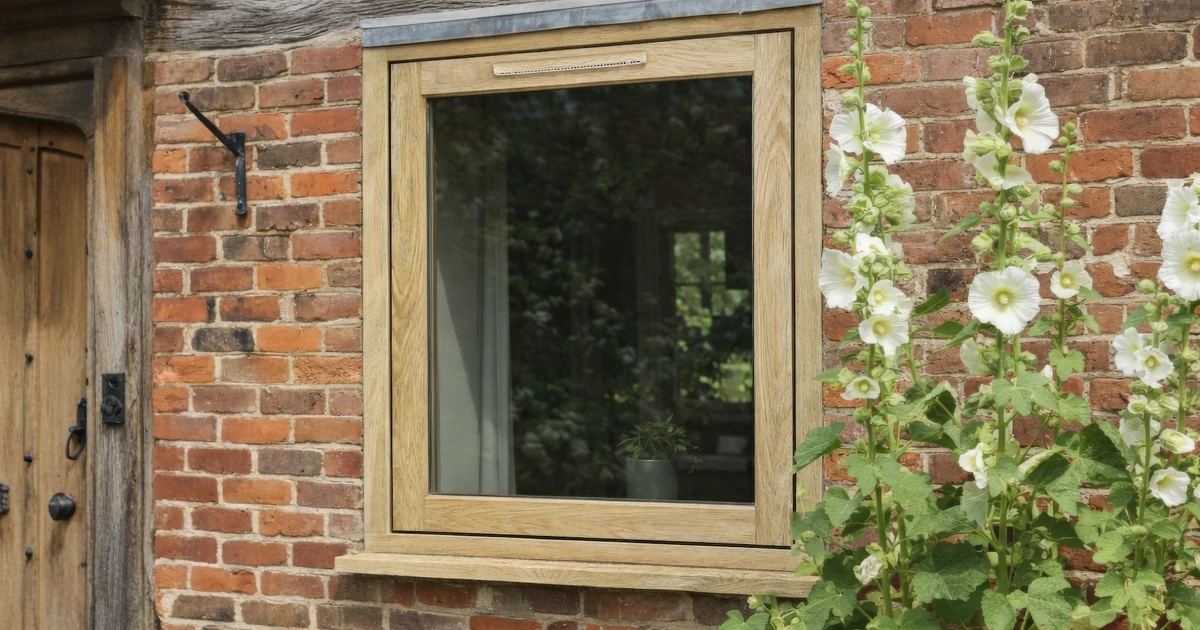
“Energy efficient windows and doors are one of the most tangible energy efficiency improvements homeowners can make.
“They improve the appearance of a property but they also have a direct impact on comfort and heat retention. Unlike some other improvements, their impact is immediately visible.
“If a homeowner is experiencing draughts or heat loss, windows and doors are often the first thing they notice. That makes them a very powerful starting point when discussing energy efficiency.”
Deceuninck’s own research is clear on this point. Its 2025 homeowner study found that 80% of homeowners would be prompted to upgrade their windows for energy efficiency gains, while 45% said the desire to lower their carbon footprint directly impacts on their purchasing decisions.
Earlier Deceuninck research also showed that windows and doors were the second most popular energy-saving improvement among homeowners overall and the top choice for 35 to 55-year-olds, the key spending demographic in much of the home improvement market.
“We know from past research that homeowners delay home improvement spend because of cost-of-living pressure”, says Darren. “We also know that not everyone is impacted equally, with 35 to 55-year-olds - that’s around 59% of UK households - who most likely to hold back spend.
“That is why finance assumes much greater importance in the current market”, Darren adds.
Deceuninck research has found that availability of finance is more likely to encourage under-55s to invest, with 40% of under-35s and 33% of 35 to 55-year-olds saying a low-interest finance package would make them more likely to purchase new energy efficient windows and doors. Even among the over-55s, 19% said finance would make them more likely to buy.
Darren continues: “If people are paying more for energy, transport and everyday goods, it can make them think twice about larger purchases. That makes finance more important.
“If we can help people mitigate the impact of rising fuel bills now, while supporting them with a mechanism to fund it, it removes a barrier to purchase.”
That is the critical shift in the sales conversation. Installers need to move from a capital cost discussion to a value and affordability discussion. In simple terms, finance helps bridge the gap between homeowner intent and homeowner action.
The other essential part of the process is proof.
“Energy efficiency is a strong sales message, but homeowners want to see the numbers,” Darren says.
“The Deceuninck Energy Calculator allows installers to demonstrate very clearly how upgrading windows and doors can lower energy consumption and reduce heating bills.
“Being able to demonstrate that visually is incredibly powerful. It helps homeowners understand the long-term value of investing in energy efficiency.”
Available as a website integration and sales support tool, it allows installers to move beyond general claims and demonstrate potential annual carbon and financial savings based on current energy prices. In other words, it turns energy efficiency from an abstract benefit into a practical, evidence-based sales message.
Deceuninck has also invested in wider marketing support to help installers sell that message more effectively. That includes plug-and-play website content, presenter packs, social media assets, sustainability brochures, showroom materials, and door-drop literature, all designed to help customers communicate energy efficiency and sustainability with more confidence and consistency.
Darren adds: “The Middle East crisis has pushed energy costs back up and added to inflationary pressure.
“That is bad news for household finances, but it also sharpens homeowner awareness of how expensive it is to heat a poorly performing home. For installers, that creates a very real opportunity.”
For more information call 01249 816 969